
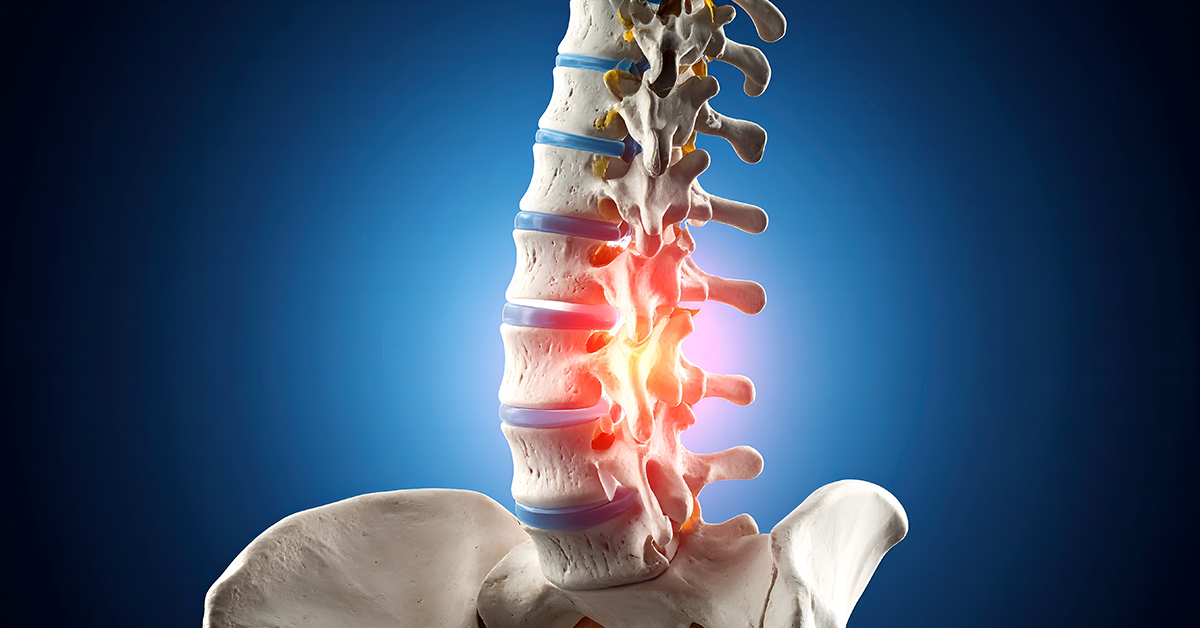
For many veterans and physically active people, long-lasting pain in the back, hips, and joints is a frequent occurrence. Conditions like rheumatoid arthritis, degenerative joint disease, and chronic musculoskeletal discomfort can be exacerbated by years of intense activity, whether from military service, sports, or labor-intensive jobs.
Painkillers, steroid injections, physical therapy, and surgery are among conventional methods of managing pain. These methods might be helpful, but they may also have negative side effects or little long-term advantages. Because of this, a growing number of people are using integrative modalities, which are gentle, less-invasive methods that might aid the body’s natural healing processes.
One such modality is the Equiscope, a microcurrent-based technology that may promote balance, reduce inflammation, and enhance recovery.
A Veteran’s Story: Working Through the Pain
For years, a 59-year-old retired military service man who is currently employed as a civilian fueling jets has struggled with chronic hip and back pain. He has been in active duty for 25 years and has been retired for four years, yet he still has a physically demanding job on base. His days are frequently difficult; depending on how active he is, his groin pain fluctuates around 3/10 and his total pain averages about 4/10.
His back, hip, right thumb, and first finger are all affected by rheumatoid arthritis, which he manages. These medical conditions date back to his time spent playing hockey. Additionally, he wears a knee brace when participating in sports due to chronic pain on his right knee and groin. Though he is currently undergoing physiotherapy, the results have been gradual.
Seeking additional support, he began Equiscope protocols in October 2024 to address chronic pain and improve overall function.
Understanding Equiscope Therapy
The Equiscope is a microcurrent therapy tool that gradually restores the body’s natural electrical equilibrium. It detects and fixes electrical abnormalities in cells through intelligent biofeedback, which may promote cellular healing, lower inflammation, and enhance circulation.
E
quiscope protocols enhance the body’s natural capacity for self-regulation, in contrast with traditional pain treatments that mostly conceal symptoms. The method can be safely utilized in conjunction with medication, physical therapy, or other traditional forms of care, enhancing rather than substituting those techniques.
His Personalized Protocol Plan
The client completed eight sessions that targeted his lower limbs, hips, and spine. The goals of each session were to encourage cellular communication, ease tense muscles, and aid in the healing process following prolonged strain.
His personalized Equiscope protocol plan included:
- Bilateral spine protocol for maximum gain, with plates applied directly on the spine from T1 to L5.
- Immersion therapy using joint pain salts, followed by a 20-minute headband session to encourage balance and relaxation.
- Plates applied on the left leg, upper femur, joint, and inner thigh, followed by ear clips to stimulate systemic energy flow.
- Targeted application on the lower back (L5/S1), from PSIS to PSIS, performed twice per session for deeper muscle coverage.
- Hip-focused protocols from PSIS to ASIS on the left side, addressing both joint discomfort and mobility concerns.
- Meridian therapy at LU1 and K27 points, complemented by ear clips, to assist in energy realignment and relaxation.
- Each session concluded with a headband protocol, which may help support neural balance and reduce stress.
Gradual Improvements and Renewed Awareness
The client claimed significant pain relief that lasted for several days following each session. Even if the groin pain is still challenging, Equiscope protocols in conjunction with ongoing physical therapy may eventually help.
Even if it was only momentary, he said the pain relief made it easier and more comfortable for him to go about his day. With time, the focus is moving from specific pain points to whole-body awareness, which is assisting him in identifying minute improvements in his general energy and mobility.
This journey highlights how Equiscope Therapy may serve as a valuable complement to ongoing care for chronic musculoskeletal pain. By supporting the body’s innate electrical and cellular functions, it may help individuals reclaim comfort, resilience, and balance after years of physical strain.
Disclaimer: The cases presented by various Equiscope Practices have not been evaluated by the FDA and are not intended to diagnose or treat any disease. Please consult your physician before making any healthcare decisions.